


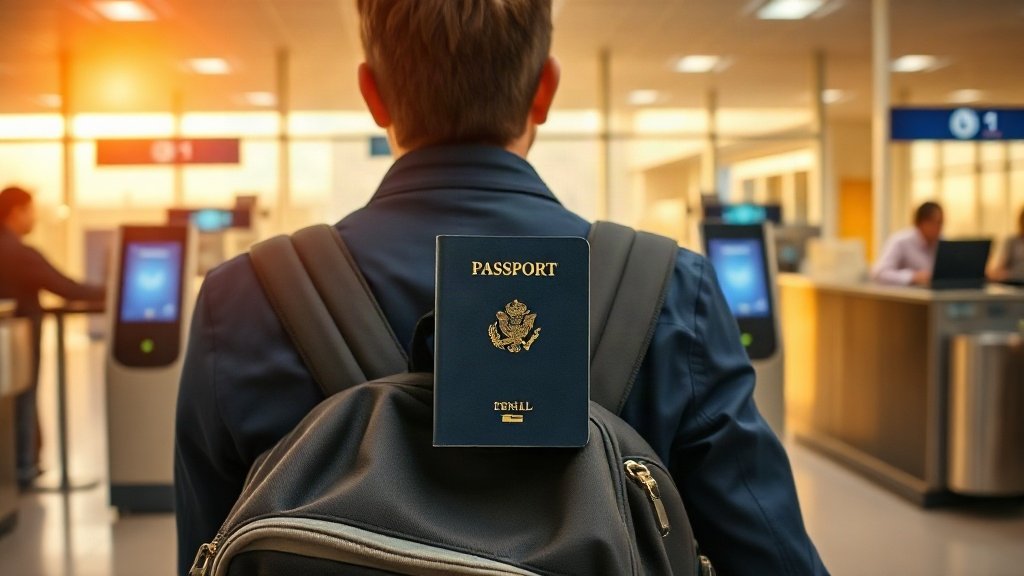
In short: what changes at European borders
The EES (Entry/Exit System) system automatically records biometric inputs, outputs and data from non-EU travelers. Letias is a compulsory paid travel authorization for visa-exempt nationals traveling to 30 European countries for a short stay.
- EES (biometric control): Recording of fingerprints and facial photo launched on October 12, 2025.
- EES (full operationality): Effective deployment since April 10, 2026 in the 29 countries of the Schengen area.
- ETIAS (Paid Authorization): Launch scheduled for the last quarter of 2026 with a fixed fee of EUR 20 per file.
- 90 day rule: Maximum allowed stay of 90 days over any period of 180 days.
Definition ETIAS and EES Schengen: what are the differences?
The EES (Entry/Exit System) is an automated database that replaces manual passport buffering by saving biometric data (face photo and fingerprints) at external borders. LETIAS (European Information and Travel Authorization System) is a compulsory digital prerequisite form for citizens of third countries exempt from short-stay visa.
These two devices complement each other: Letias so obtains online before departure, while Lees applies physically when crossing the border in one of the 29 countries applying the Schengen rules.
Official Deployment Calendar and Key Dates
The set-up schedule sets from 2025 to 2027 according to the decisions of the European Commission and the Council of the European Union.
| Project stage | Effective date | Status / Scope |
|---|---|---|
| Progressive EES launch | October 12, 2025 | Beginning of biometric records at the external borders. |
| Full operationality EES | April 10, 2026 | Applicable in the 29 member countries of the Schengen area. |
| Official ETIAS launch | Last Quarter 2026 | Required for visa-exempt travelers (para grace period of at least 12 months). |
How does Lees work for travelers?
Lees replaces the stamp on the passport with a computer file created during your first crossing of the border. This register stores your identities, date and place of entry and exit, as well as your fingerprints and facial photo.
According to the European Union Regulation (EU) 2017/2226, the retention period for entry and exit data in Lees is set at 3 years from the date of registration. On the other hand, the retention period of the data in the event of an authorized exceedance of stay (overstay) automatically increases to 5 years.
The legal rule of stay remains unchanged: the maximum duration of stay authorized under the EES scheme is strictly 90 days over any period of 180 days in the Schengen area.
How much does Letias cost and what is its validity period?
According to the directives of the Directorate General for Internal Affairs of the European Commission, the ETIAS application costs amount to EUR 20 per file. This process is done online via the official website before departure.
An exemption from payment of ETIAS fees directly concerns applicants under the age of 18 or over 70 years of age. The validity period of an ETIAS authorization is 3 years or until the associated passport expires if it expires before.
Summary comparison of the two European devices
| Criterion | EES System | ETIAS Authorization |
|---|---|---|
| Main objective | Biometric registration of border crossings | Prior online travel authorization |
| Cost for the traveler | Free | 20 EUR (free for <18 years and >70 years) |
| validity | 3 years (5 years if exceeded) | 3 years or until the passport expires |
| verification place | Schengen area border crossings | online, before departure from the country of origin |
Frequently Asked Questions about Lees and Letias
What is the EES and letias system to travel to Europe?
Lees is an automatic system that saves the photo and footprints of travelers at the borders of the Schengen area. Letias is a compulsory online paid travel authorization (EUR 20) for non-EU nationals exempt from visa.
What is the official cost of the ETIAS request?
The ETIAS request costs EUR 20 per file according to the European Commission. Payment is made online. The process is completely free for travelers under 18 and people over 70.
How long can we stay in the Schengen area with Lees?
The maximum authorized duration remains 90 days over any period of 180 days. The EES system automatically calculates the number of days consumed and alerts the authorities in the event of exceeding the legal duration.
{“@context”:”https://schema.org”,”@graph”:[{“@type”:”Article”,”headline”:”Définition ETIAS et EES Schengen : le guide pratique 2026″,”description”:”Tout comprendre aux systèmes EES et ETIAS pour voyager dans l’espace Schengen : calendrier officiel, coût de 20 EUR et règles d’entrée.”,”datePublished”:”2026-10-09″,”dateModified”:”2026-10-09″,”inLanguage”:”fr”,”keywords”:”definition, etias, schengen, espace”},{“@type”:”FAQPage”,”mainEntity”:[{“@type”:”Question”,”name”:”C’est quoi le systeme EES et l’ETIAS pour voyager en Europe ?”,”acceptedAnswer”:{“@type”:”Answer”,”text”:”L’EES est un système automatique qui enregistre la photo et les empreintes des voyageurs aux frontières de l’espace Schengen. L’ETIAS est une autorisation de voyage en ligne payante (20 EUR) obligatoire pour les ressortissants hors UE exemptés de visa.”}},{“@type”:”Question”,”name”:”Quel est le coût officiel de la demande ETIAS ?”,”acceptedAnswer”:{“@type”:”Answer”,”text”:”La demande ETIAS coûte 20 EUR par dossier selon la Commission européenne. Le paiement s’effectue en ligne. La démarche est totalement gratuite pour les voyageurs de moins de 18 ans et les personnes de plus de 70 ans.”}},{“@type”:”Question”,”name”:”Combien de temps peut-on séjourner dans l’espace Schengen avec l’EES ?”,”acceptedAnswer”:{“@type”:”Answer”,”text”:”La durée maximale autorisée reste de 90 jours sur toute période de 180 jours. Le système EES calcule automatiquement le nombre de jours consommés et alerte les autorités en cas de dépassement de la durée légale.”}}]}]}
