


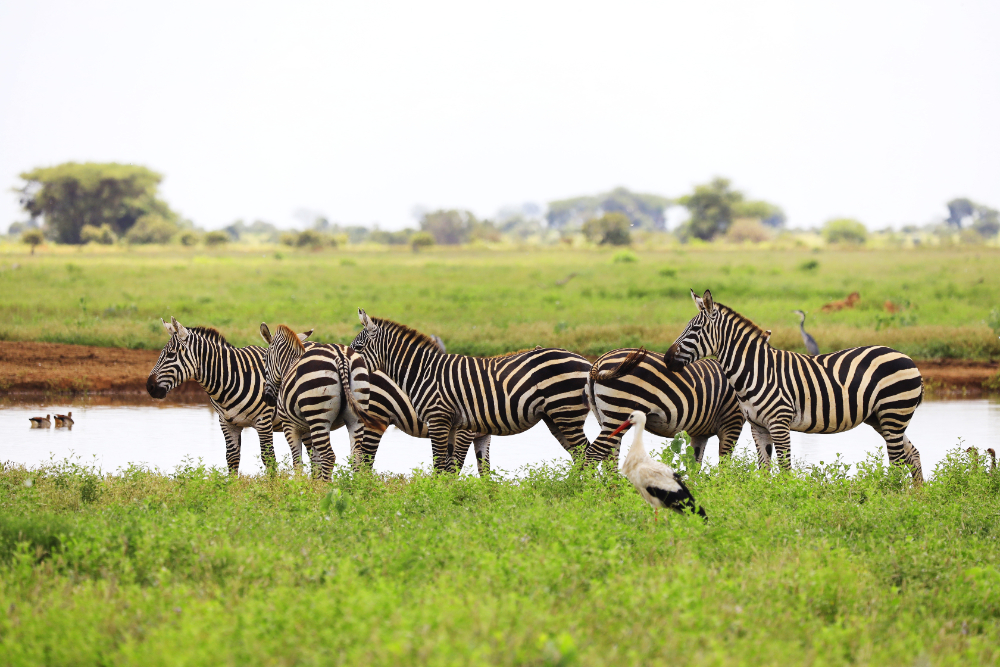
The dream of a safari in Kenya has fascinated for generations. Imagine yourself browsing the vast savannahs, surrounded by the emblematic wildlife of theAfrica. The majesty of the lions, the graceful movement of the giraffes and the exciting roar of the elephants are an integral part of this unforgettable experience. But before embarking on this extraordinary adventure, there are several elements to consider to make your trip live up to your expectations.
Whether you are a seasoned adventurer or a safari novice, this comprehensive guide will provide you with all the information you need to prepare your expedition to the heart of Kenya. Find out when to go, where to go and how to maximize every moment on this one-of-a-kind adventure. Are you ready? Let’s dive into the fascinating world of safari in Kenya!
When and where to go on a safari in Kenya
The ideal time to go on a safari to Kenya depends on what you want to observe. The dry period, from June to October, is particularly popular. It is then that the fauna is concentrated near the water points, facilitating observations.
National parks like the Maasai Mara and Lamboseli are essential. The Maasai Mara is famous for its annual wildebeest migration, a breathtaking spectacle that attracts travelers from all over the world.
If you prefer a quieter atmosphere, consider the rainy season between November and May. The green landscapes offer a completely different magic and attract different animals.
Remember that there are also other less frequented reserves where the experience can be just as rewarding. Each destination has its own charm to offer to nature lovers and wildlife photography enthusiasts.
Things to Consider Before Booking a Safari in Kenya
Before diving into the adventure of a safari in Kenya, several elements deserve your attention.
First, determine the ideal time for your trip. The dry seasons, generally between June and October, are conducive to animal observation.
Then, think about your preferences in terms ofaccommodation. The choice varies between luxury camps and simpler lodges. Each option offers a different experience.
Don’t forget the budget! Establish a financial plan that includes the safari fees as well as those of additional activities.
Find out about tourist operators. Opt for those who have a good reputation and guarantee an enriching experience while respecting the local fauna.
Documents needed to travel to Kenya
Before leaving for a safari in Kenya, it is essential to check your documents. The passport is the first element to have in hand. Make sure it is valid for at least six months after your arrival.
A visa is required for French travelers and other nationalities. You can easily get it online before your departure or on your arrival in some cases. Always check the current conditions on the official foreign affairs website.
Also think of a hard copy of all your important documents: reservations, travel insurance and even identity photos. This can be useful if you lose something during your stay.
Don’t forget the international yellow fever vaccination card, especially if you come from a high-risk region. Having these ready elements will greatly facilitate your African adventure.
Animals to watch during a safari in Kenya
Kenya is a real welcome land for wildlife lovers. During your safari, you will have the opportunity to observe the famous Big Five: lion, leopard, elephant, buffalo and rhinoceros. Every encounter with these majestic animals is an unforgettable moment.
National parks like the Maasai Mara or the Amboseli are privileged places to see these creatures in their natural habitat. The lions rest in the shade of the acacias while the elephants majestically wander near the water points.
Do not miss either the elegant cheetahs and the giraffes that move gracefully between the savannah. Colorful birds add a vibrant touch to the landscape.
Each safari outing reserves its share of surprises and wonder at this exceptional biodiversity in Kenya. It’s a live show that you won’t be ready to forget.
The different types of safaris available and their respective advantages
Kenya offers a variety of safaris, each with its own attractions.
The 4×4 vehicle safari is the most popular. It allows easy access to wild areas while offering appreciable comfort. Camel safaris, meanwhile, offer a unique and immersive experience in nature.
For adventure enthusiasts, the trekking is ideal. This approach brings you closer to the animals and their natural habitat. Observing elephants or lions from a trail can be unforgettable.
Air safaris are also fascinating. Flying over the spectacular landscape of the Maasai Mara reveals impressive panoramas that we could not see on the ground.
There are camping options for those looking to live an authentic experience under the African stars. Each type of safari promises unforgettable memories in this country rich in biodiversity.
Preparation for a successful safari: vaccination, equipment, etc.
For a worry-free Kenya safari, preparation is essential. First, check the recommended vaccines. Yellow fever and hepatitis A are often unavoidable.
Then, don’t forget your anti-malarial drugs if you are traveling in risk areas. Consult your doctor for a personalized opinion.
When it comes to equipment, opt for lightweight, layered clothing. Neutral colors blend better into the landscape and do not disturb the local fauna.
Binoculars are essential for observing animals from afar. A camera with a good zoom can capture these memorable moments.
Don’t forget also a basic first aid kit and some biodegradable toiletries. Good preparation ensures that your adventure will be both pleasant and secure during your Kenya safari.
What to take on a safari in Kenya
Packing her suitcase for a safari in Kenya may seem confusing. The key is to stay light while being well equipped.
Start with suitable clothing: opt for neutral colors, easily camouflaged. Lightweight and breathable fabrics are ideal for the warmth of the day, while a warm jacket will be useful during morning or night safaris.
Don’t forget your essential accessories. Sunglasses will protect your eyes from strong rays. A wide-brimmed hat will keep you cool under the scorching sun.
A good pair of binoculars will make your experience even more immersive. You will be able to observe the animals in their natural habitat without disturbing their tranquility.
Don’t leave without a basic first aid kit and effective sunscreen. Prepare for an unforgettable adventure with these turnkey elements!
Tips for a memorable safari experience
To live an unforgettable safari experience in Kenya, start by choosing the right time of year. The dry season attracts animals near water points, offering better chances of observation.
Always be attentive and respectful of wildlife. Keep your distance and avoid excessive noise so as not to disturb their natural habitat. Silent observation is often rewarded with incredible encounters.
Capture those moments without being obsessed with your camera. Sometimes it is better to enjoy the show rather than focus on the perfect grip.
Don’t forget to interact with the local guides. They have a valuable knowledge that will enrich your understanding of the landscape and the species encountered. Their passion is contagious!
Stay open to the unexpected: an unexpected detour can lead to a memorable discovery that you would never have planned!
Photo credit: https://www.freepik.com/free-photo/group-zebras-white-stork-tsavo-east-national-park-kenya-africa_1 1061827.htm#fromView=Search&Page=1&positi ON=4&uuid=F0599073-A10D-4953-82B3-07B59163211F
