


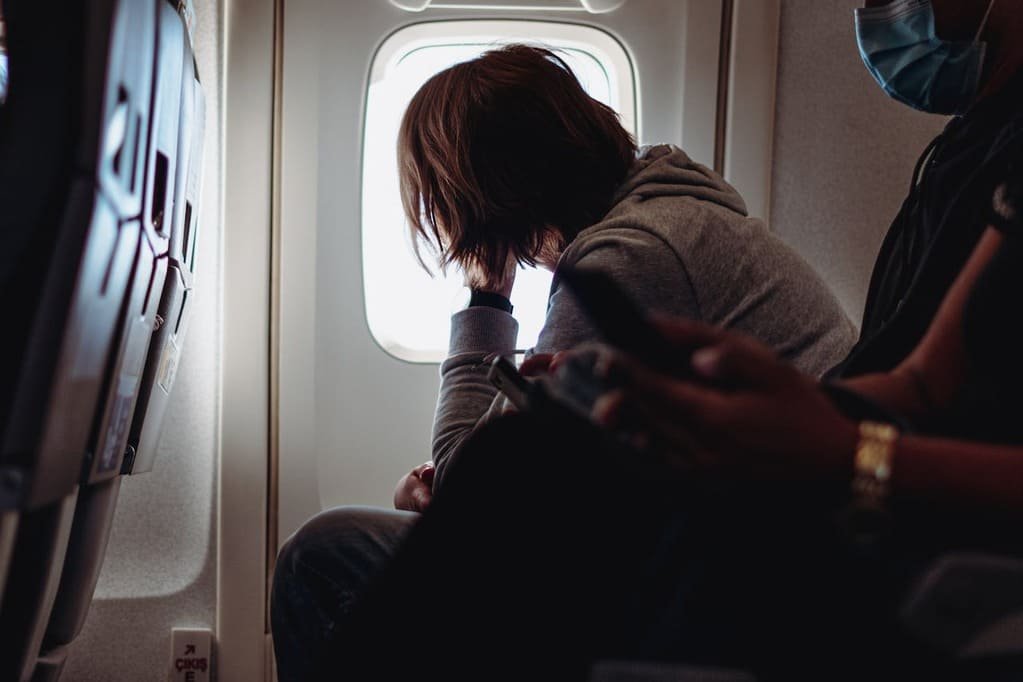
A long distance journey can put your body and mind to the test. Between the frozen positions, the lack of fresh air and the hours of concentration, fatigue sets in without you noticing. By car, train or plane, your body slows down, your vigilance decreases and your discomfort accumulates. However, there are simple and proven ways to avoid fatigue and stay in shape during long journeys, without sacrificing the pleasure of traveling. Here they are.
Prioritize your sleep and adjust your biological clock
To avoid fatigue and stay in shape, sleep is not a luxury, but a real physical preparation. A full night of seven to eight hours acts as a “full of energy” before your departure. Sleeping in a peaceful environment, far from the screens and the stress of the day before, allows your body to enter the journey in full possession of your resources. A rested mind turns your long-distance journey into a smooth experience rather than a patience test.
Anticipation of the circadian rhythm is just as essential. A few days before your departure, advance or delay your bedtime slightly depending on your destination. Between Europe and Uzbekistan, for example, the shift of three to four hours is enough to disorient your body. By gradually adjusting your marks, you reduce the effects of the shift and facilitate your acclimation on arrival. The ideal is to Plan your routes with Marco Vasco Uzbekistan, a specialized agency to fully enjoy a stay adapted to your desires.
Take with you essential equipment for your comfort
A long-distance journey quickly becomes challenging if you neglect your comfort. The secret of a pleasant trip often lies in little with suitable clothes, good posture and a few well-chosen accessories. Opting for soft, breathable and easy-to-layer outfits depending on the temperature differences in the air or by train can be gripping. Lightweight shoes and a sweater at your fingertips allow you to deal with the unforeseen weather while keeping a feeling of lightness.
To transform several hours of waiting or immobility into a soothing parenthesis, a few allies are essential. A travel cushion will support your neck, a sleep mask will insulate you from light and earplugs will give you a bubble of calm. These little details, often underestimated, help to preserve your energy and serenity. These two essential assets to avoid fatigue and stay in shape during long journeys.
Bring smart food and hydration
Feeding plays a key role in avoiding fatigue and staying in shape on a long-distance journey. Before leaving, prefer a light and balanced meal with foods high in fiber and protein, but low in saturated fat. During the journey, avoid hearty or too salty dishes that slow digestion and promote drowsiness. Smart snacks (dried fruits, nuts, natural cereal bars) maintain a good level of energy without weighing down your stomach.
Hydration, often neglected, directly conditions vigilance and well-being. Always keep a water bottle or a bottle of water handy and drink regularly, even without thirst. The dry air of the planes and the heat of the prolonged journeys accentuate dehydration, a source of fatigue and headaches. A cup of coffee or tea can be enough to awaken your mind, provided you consume it in moderation to avoid the energy drop that often follows the peak of caffeine.
Move and stimulate circulation
Staying still too long slows traffic and promotes drowsiness. To avoid fatigue during a long-distance trip, it is essential to integrate movements at regular intervals. By car, take a break every two hours to restart your blood circulation. Take the opportunity to walk for a few minutes, stretch your limbs and take a few deep breaths before hitting the road again. If fatigue is felt, a micro-nap of fifteen to twenty minutes is often enough to regain all your concentration and energy for the rest of the journey.
On the train or the plane, the principle is the same. Move as soon as possible when you get up, walking down the aisle or doing simple stretching exercises on your seat (rotations of the ankles, shoulder circles, inclinations of the neck). These small gestures prevent the heaviness of the legs, stimulate circulation and limit cramps. Even discreet, these regular movements are the best guarantee of a more comfortable trip and a more alert body on arrival.
Adopt certain concentration and mental relaxation techniques
Staying on alert without excessive tension is a tricky art when traveling. To stay in shape, you must above all preserve your concentration. Fixing the road continuously promotes drowsiness. Get into the habit of moving your gaze slightly to stay focused and attentive. This simple alternation maintains vigilance and reduces monotony. Deep breathing, on the other hand, helps you oxygenate your brain and soothe stress.
When you are not driving, take advantage of the travel time to relax your mind. A few minutes of guided meditation, a cardiac coherence session or soft music can help you regain calm and mental clarity. In terms of entertainment, favor light activities (reading, films, podcasts) that occupy your mind without overloading it. The balance between stimulation and relaxation is the key to a serene and restorative long-distance journey.
Traveling for a long time does not necessarily rhyme with exhaustion. By learning to listen to your body, manage your rhythm and spare your mind, you can avoid fatigue and stay in shape. Each gesture then becomes a way to transform your long distance journey into a moment of balance, calm and pleasure.
