


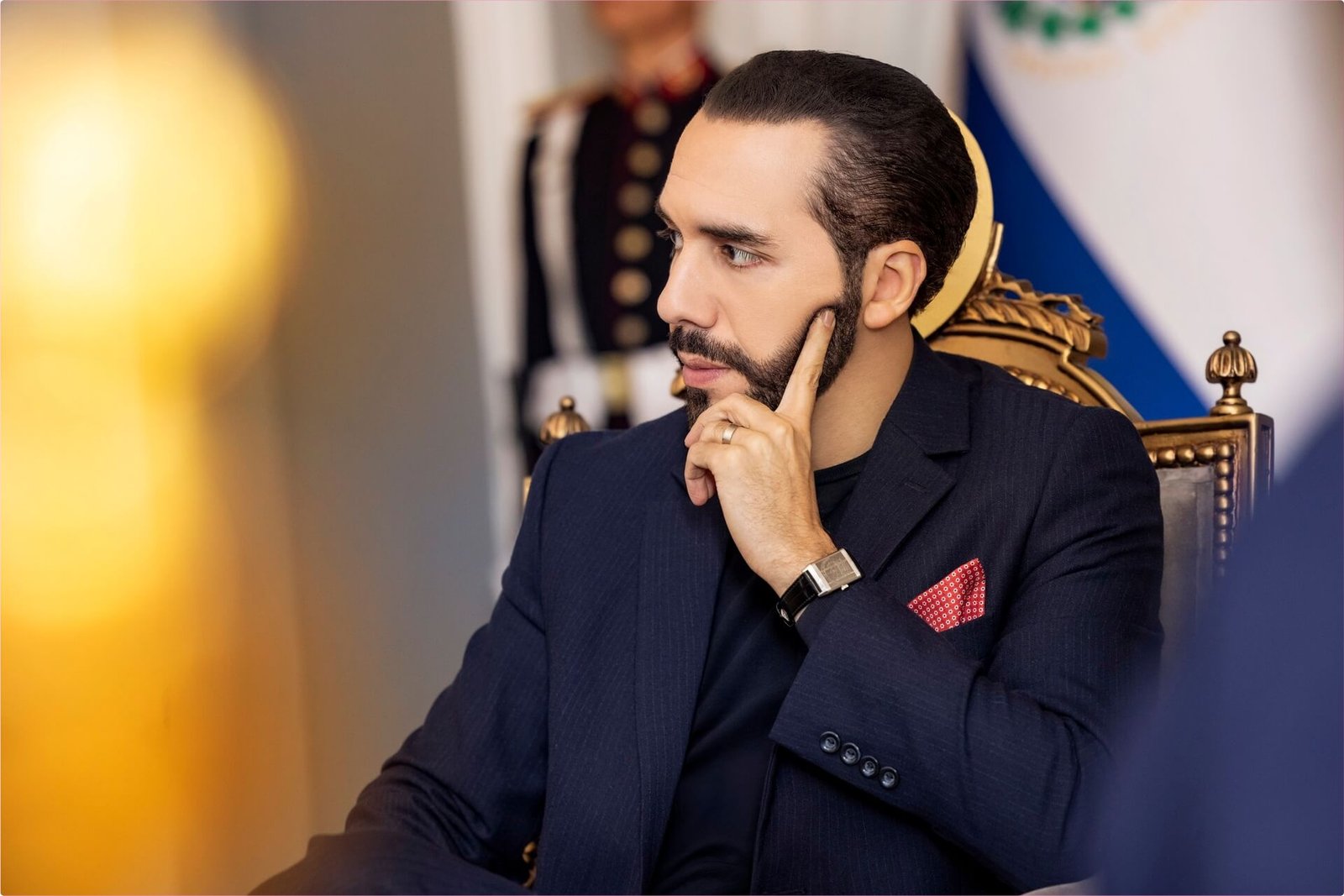
Long associated with violence and insecurity, El Salvador now attracts the attention of the international community due to the profound transformations driven by the administration of President Nayib Bukele. The Central American country is now showing unprecedented security results, helping to change its image abroad and strengthen the confidence of international investors.
According to the most recent data from the National Civil Police (PNC), no homicide was recorded during the first twenty days of 2026, illustrating the continuity of a rigorous security policy closely followed by the government. The authorities publish daily, via their official channels, the days without murder, an indicator that has become emblematic of the security development of the country.
Security, the main symbol of change
In 2025, El Salvador recorded 303 days without homicide and ended the year with only 82 assassinations, none attributed to the gangs. This figure represents a drop of 28% compared to 2024, where 114 cases were identified.
The government attributes these results to the territorial control plan as well as to the exceptional regime introduced in March 2022, in which more than 90,800 suspected gang members were arrested.
According to a survey published in January 2026 by the Institute of Public Opinion (IUDOP), 62.7% of Salvadorans consider security as the most positive development in the country. At the same time, 96% support the measures taken against gangs, according to Cid Gallup. The study also indicates that 95% of the population says they were not the victim of an offense in 2025. El Salvador is now among the twenty countries where residents say they feel most secure when they walk alone at night, according to the World Safety Report Gallup.
The Salvadoran security model is also arousing growing interest in foreign leaders, who see it as a possible response to crime crises in their own countries. Several official visits to the Terrorism Containment Center (CECOT) took place, in particular that of the Chilean-elected President José Antonio Kast in January 2026 and that of Costa Rican President Rodrigo Chaves in December 2025, who came to examine the infrastructure and maximum security protocols.
During an international press conference organized during the visit of José Antonio Kast, Nayib Bukele reacted to a question relating to the human rights of inmates in prison in CECOT. The Salvadoran President felt that the international debate pays more attention to the rights of criminals than to those of victims, saying that his government favors above all the protection of law-abiding citizens. He also expressed reservations about criticism from some organizations, judging that they had been less firm about the violence committed by gangs in the past.
Ecuadorian official delegations as well as members of the United States Congress also visited the facilities, considering this strategy of territorial control and mass incarceration as a regional reference in the fight against organized crime.
A direct impact on foreign investment
Improving the security climate also appears to have economic effects. After a period of wait-and-see attitude in 2024, foreign direct investment increased by 64% in the first quarter of 2025 compared to the previous year, driven by greater legal stability and the decline in crime.
In 2024, the country drew $639.6 million in investments. The main capital comes from Spain, Mexico, the United States, Panama and Honduras, with major projects in tourism, infrastructure and real estate, including an investment estimated at $730 million carried by the Roble group.
Thanks to an offensive security policy and reinforced territorial control, El Salvador seeks to turn the page on a past marked by violence and to establish itself as a safer, more attractive and economically competitive country on the international scene.
